The landscape sits between Jodhpur and Udaipur in Rajasthan, with huge granite outcrops rising above open scrub, farmland and small villages. Leopards use caves and ledges high in the hills as shelter, while life continues below almost exactly as it has for generations. There is no neat divide between people and wildlife here, and that coexistence is what makes Jawai so unusual.
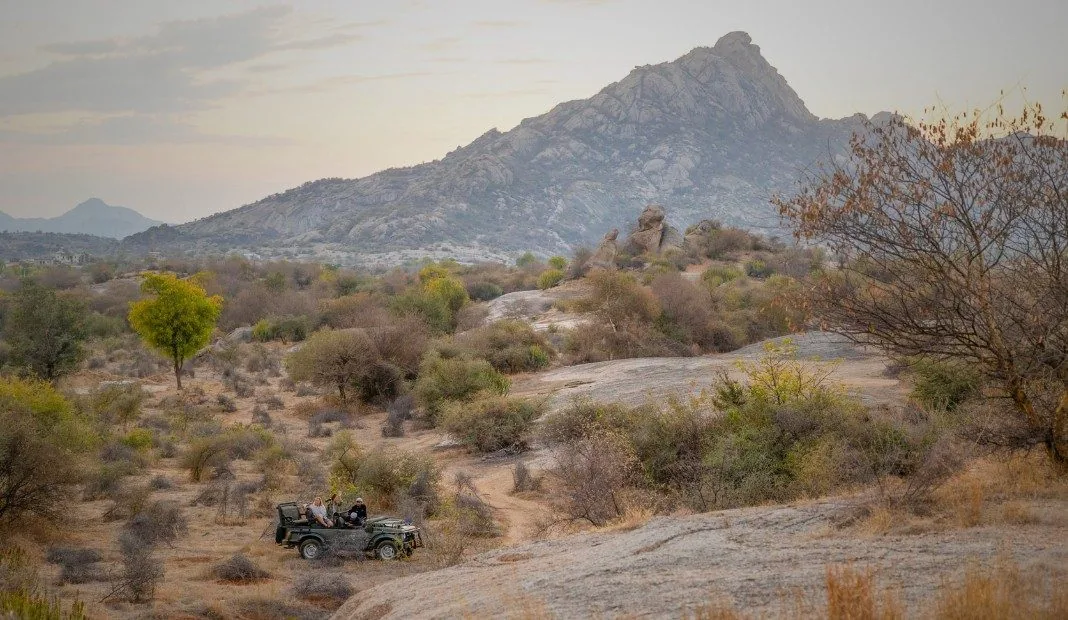
SUJÁN JAWAI sits right in the middle of it all. Created by Jaisal and Anjali Singh, the camp opened in 2013, but the story behind it goes much further back. Jaisal grew up around Ranthambhore, where his family has been involved in wildlife conservation for decades, and that background has shaped the way SUJÁN approaches its camps. The idea was never simply to build somewhere beautiful and add wildlife around it. The camp was designed around the landscape first, with tourism used as a way to support conservation and the communities living alongside it.
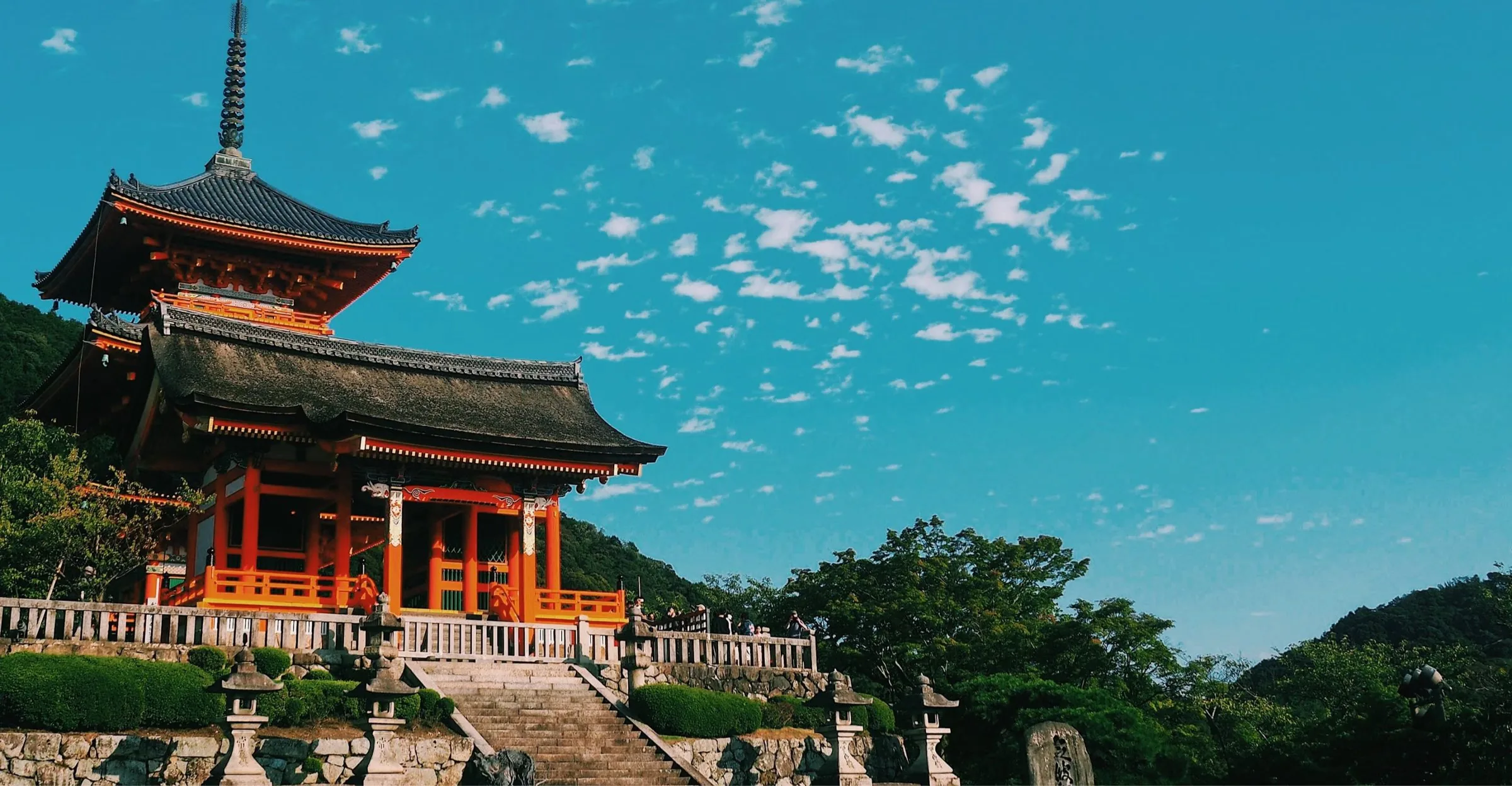
The Rabari have moved their livestock through these hills for generations, and their relationship with the leopards is woven into the culture of Jawai in a way that is difficult to appreciate until you are actually there. Small temples and shrines sit among the granite outcrops, sometimes in the very same hills where leopards shelter during the day. For many local families, the cats are connected to the sacred landscape rather than simply seen as predators that need to be removed.
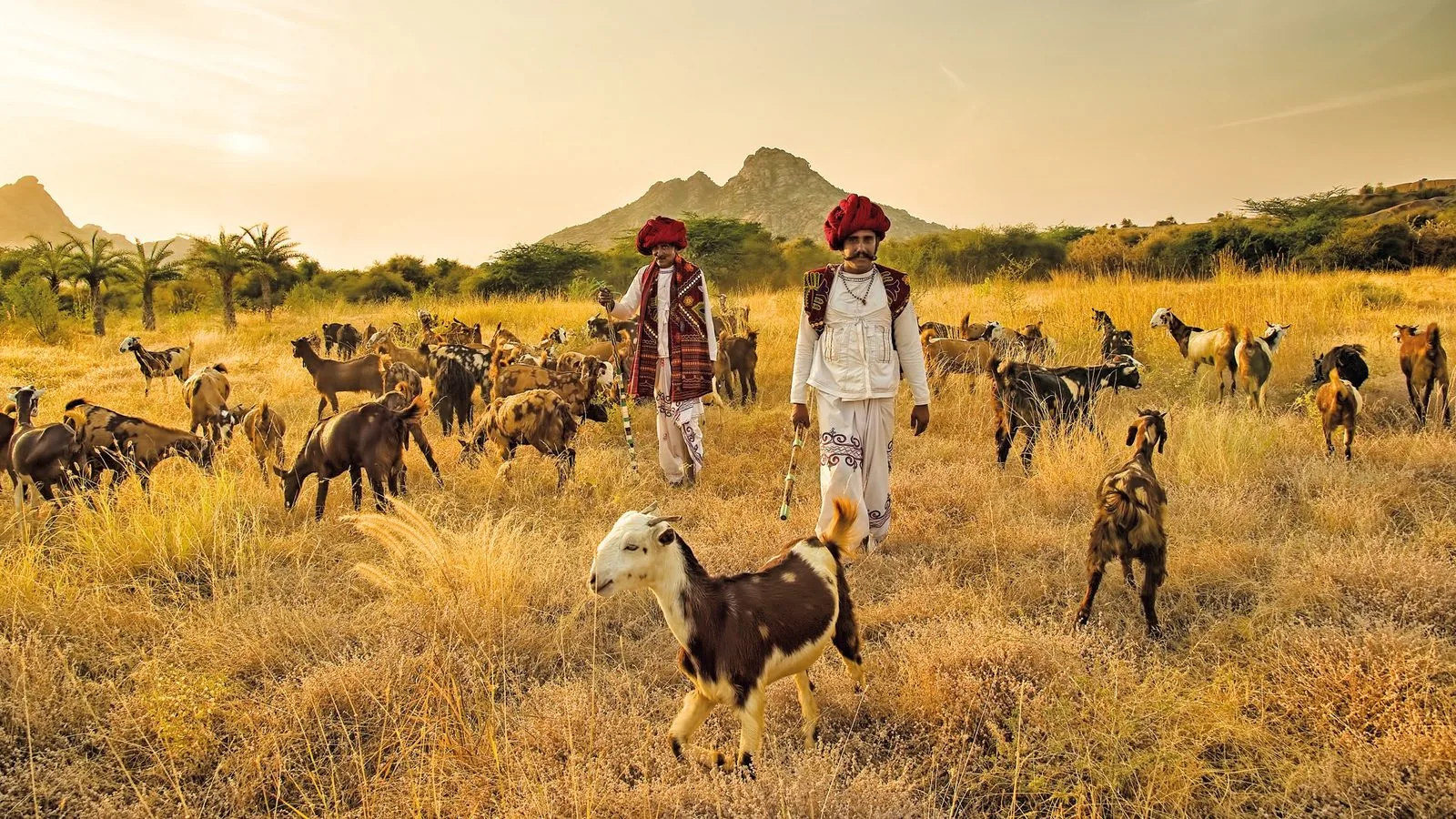
What makes this even more extraordinary is how close those two worlds are. Leopards move through the hills above villages, livestock graze below them and daily life carries on in between. There are no fences keeping everything conveniently separate. Inevitably, livestock is occasionally lost, so this is not some perfectly harmonious fairy tale, but generations of tolerance have allowed a significant leopard population to survive here without the landscape being emptied of the people who have always called it home.
That changes the safari experience completely. You are not looking at wildlife in a landscape that has been cleared and preserved purely for tourism. You may be watching a leopard stretched across a granite ledge while a Rabari herdsman in his distinctive red turban moves goats through the valley below, or drive past a temple before heading further into the hills to look for a cat. Neither feels out of place because both belong here.
Spending time with the Rabari is therefore as important to understanding Jawai as the leopard drives themselves. Walks and village visits give you some insight into their pastoral way of life, their striking traditional dress and the beliefs that have helped shape this unusual relationship with the wildlife around them. It takes the experience beyond simply finding a leopard, taking the photograph and moving on.
And that is where Jawai becomes particularly interesting. We travel all over the world to see wildlife, and so often the conservation story is about creating more distance between animals and people. Here, you are seeing something much more complicated: a landscape where people, livestock and predators have had to find a way of living alongside one another. It may not be perfect, but perhaps that is exactly why it is worth understanding.
The safari itself feels different too. Morning and afternoon drives head out across the wider landscape with guides and trackers who know the hills, caves and movement patterns of the individual cats. There is less of a sense of following a fixed route and more of a feeling that you are reading the landscape as you go. Tracks matter. Calls matter. A guide suddenly stopping mid-sentence and staring at a distant ridge usually matters.
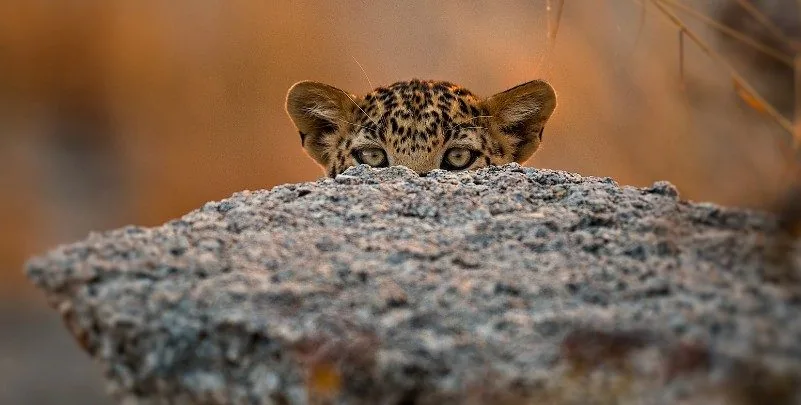
There is also a fair chance that everyone in the vehicle will spend several minutes staring through binoculars at what looks very much like a rock, only to discover that the rock has ears.
The granite terrain gives the drives plenty of character. Vehicles climb up through narrow tracks and over ridges that do not initially look especially vehicle-friendly, before opening out to huge views across the plains. It feels adventurous without becoming theatrical, and there is something quite special about seeing a leopard stretched out on a rock face with a village, temple or herd of goats somewhere in the same frame.
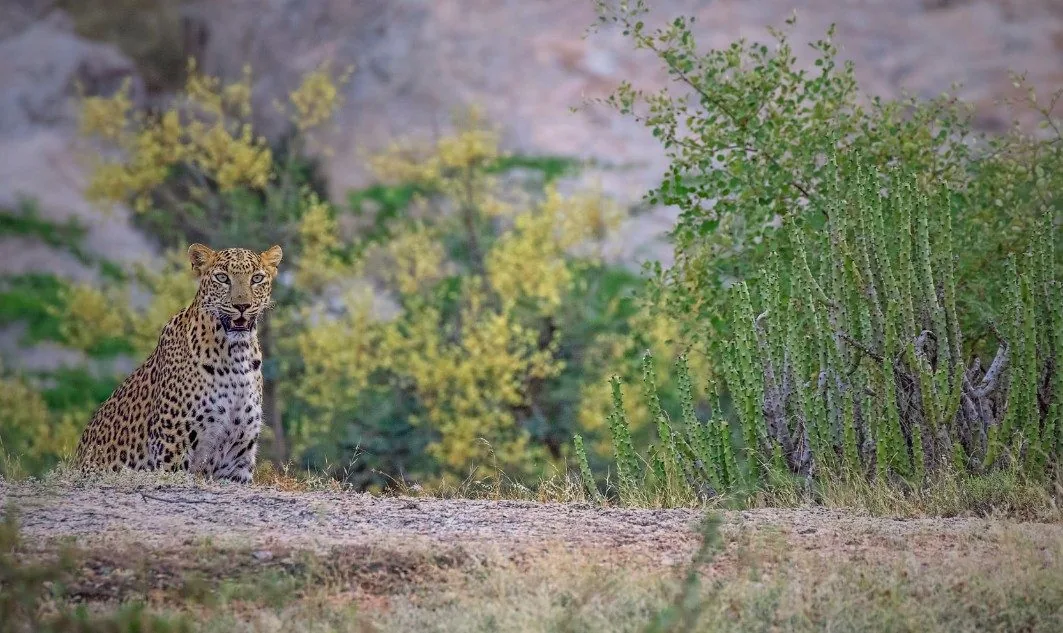
Leopards may be the headline act, but Jawai is not a one-animal story. Antelope, wild boar and crocodiles are found around the wider landscape, while the reservoir and wetlands bring in excellent birdlife. Flamingos, demoiselle cranes, bar-headed geese, kingfishers and bee-eaters all appear depending on the season, which means there is plenty going on even when the leopards have decided not to cooperate.
There is also much more to the experience than game drives. Guests can hike through the granite hills, explore by bicycle, ride Marwari horses through the countryside, visit temples and spend time in nearby villages. Those moments give the safari some context because Jawai makes far more sense once you understand the people who live here, rather than seeing them as something separate from the wildlife experience.
Back at camp, the mood shifts completely.
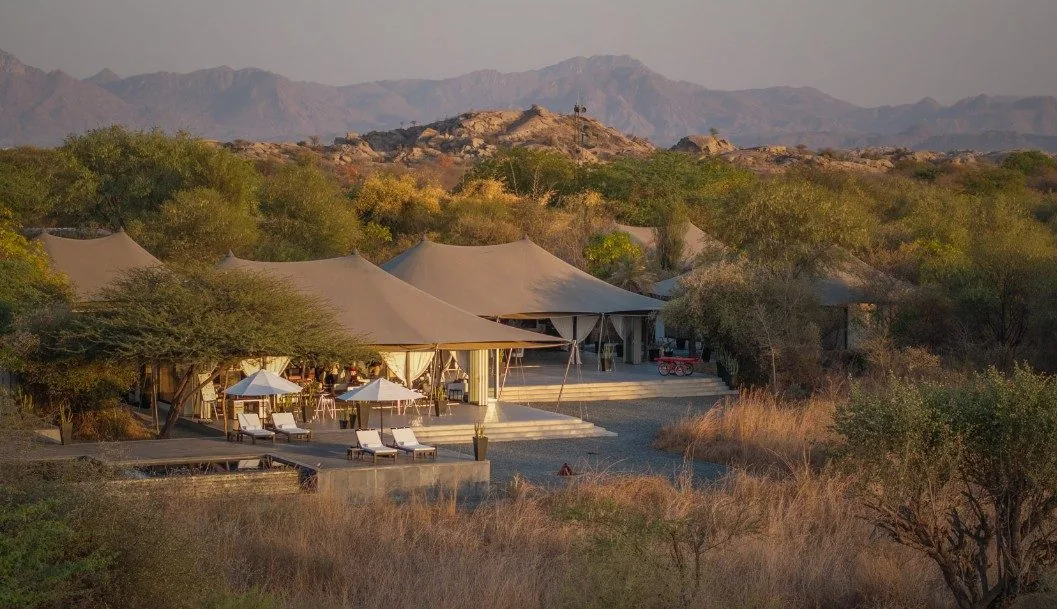
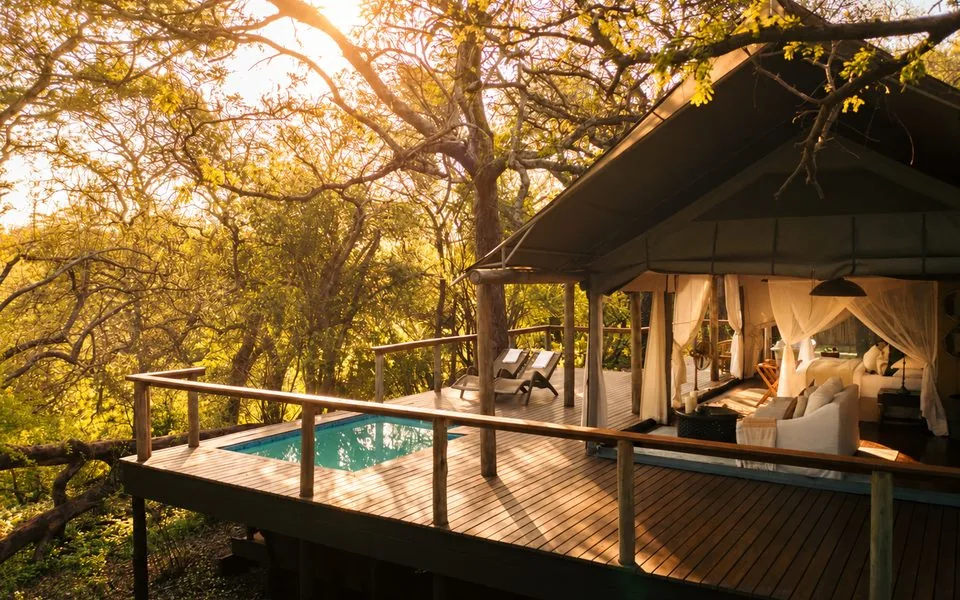
SUJÁN JAWAI has just ten tented suites, so it feels intimate from the outset. The design is sharp and contemporary, with canvas, leather, steel, natural textures and flashes of red inspired by the turbans worn by the Rabari. It avoids the old-school safari look and feels much more modern, while still being completely grounded in Rajasthan. The tents themselves are generous, with proper bathrooms, private verandahs and plenty of space to retreat between drives. The larger categories take that further, with private pools, separate living areas and more seclusion, but even the standard tents feel considered rather than stripped back. It is polished, but not so polished that you forget you are in the middle of the countryside.
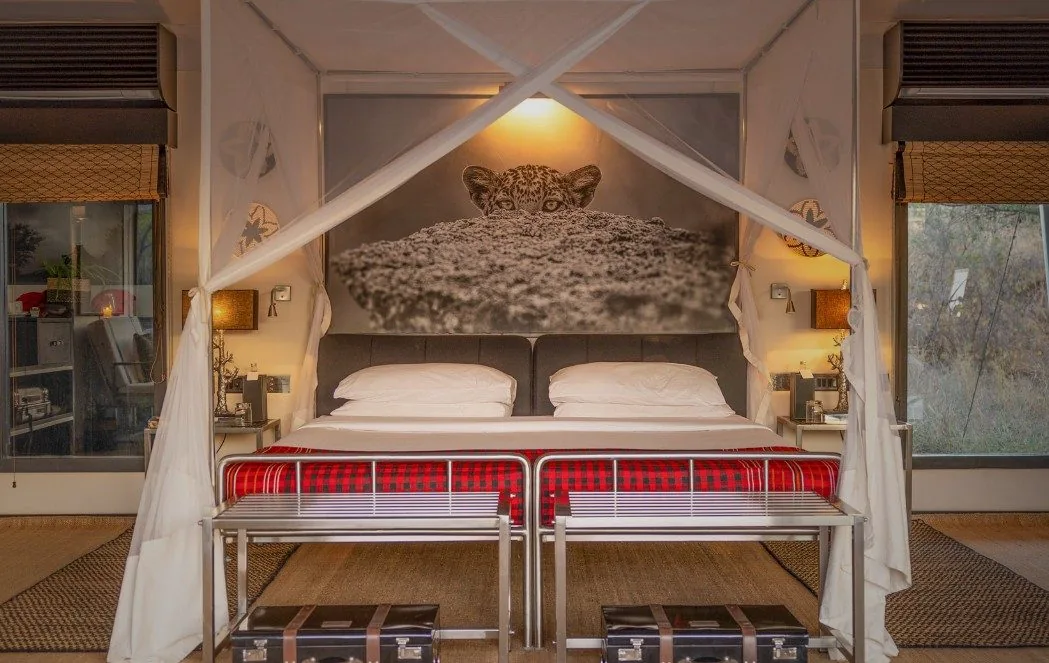
That balance is one of the things SUJÁN gets right. The camp does not try to compete with the landscape. It gives you enough comfort to enjoy the slower parts of the day properly, then lets the setting take over. There is a pool, quiet corners to read, long lunches and plenty of time when nobody expects you to be doing anything at all. After a very early start and several hours in a vehicle, that quickly becomes one of the more appealing parts of the day.
Dining is also a big part of the experience, but it is handled in a way that feels relaxed rather than over-produced. Meals can be served in camp, beside the fire or out in the landscape, depending on the day. The food draws heavily on Rajasthan, with local ingredients and flavours, but it is handled in a way that still feels refined. There is enough flexibility that dinner never feels like a formal event unless you want it to.
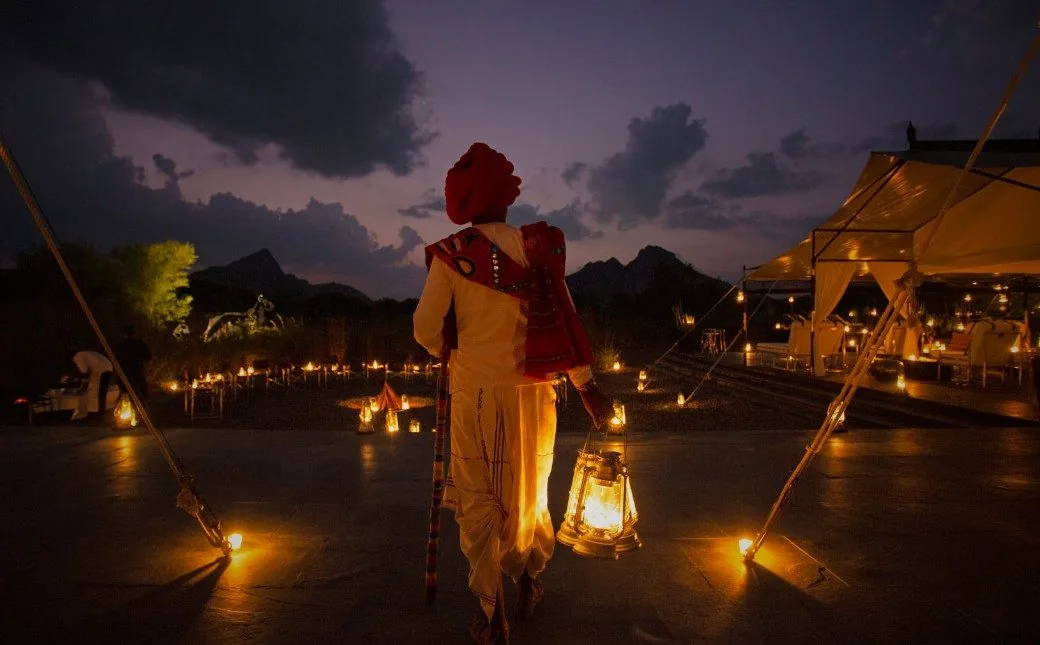
By late afternoon, the pace picks up again as everyone heads back out. The light changes, the granite hills take on a completely different colour, and the search starts again. That rhythm of early drive, long pause, then evening drive is simple, but it works beautifully here because the camp itself is somewhere you actually want to spend time.
Behind all of this sits SUJÁN’s conservation work. The focus includes habitat restoration, biodiversity protection and wildlife corridors, alongside employment and community programmes in the surrounding villages. That matters because Jawai cannot be protected by drawing a line around it and removing people from the equation. The people are already part of the landscape, and any long-term conservation model here has to work with that reality.
That is what gives SUJÁN JAWAI its depth. The camp is beautifully done, the guiding is excellent and the landscape is unlike anywhere else in Rajasthan. But the real interest comes from the way everything overlaps: the leopards, the Rabari, the temples, the villages, the granite hills and the camp itself.
You come for the wildlife, but you leave understanding the place a little better.
We’ll fit it into Rajasthan
How to pair Jawai with Jodhpur and Udaipur, how many drives to allow for leopards, and when the reservoir birdlife is at its best.
Questions we’re often asked
Where is Jawai?
In Rajasthan, between Jodhpur and Udaipur, a landscape of granite outcrops, scrub, farmland and small villages.
Can you see leopards at Jawai?
Yes. Leopards use caves and ledges in the granite hills, and guides and trackers know the movement patterns of individual cats. Sightings are never guaranteed.
How many tents does SUJÁN JAWAI have?
Ten tented suites, with the larger categories adding private pools and separate living areas.