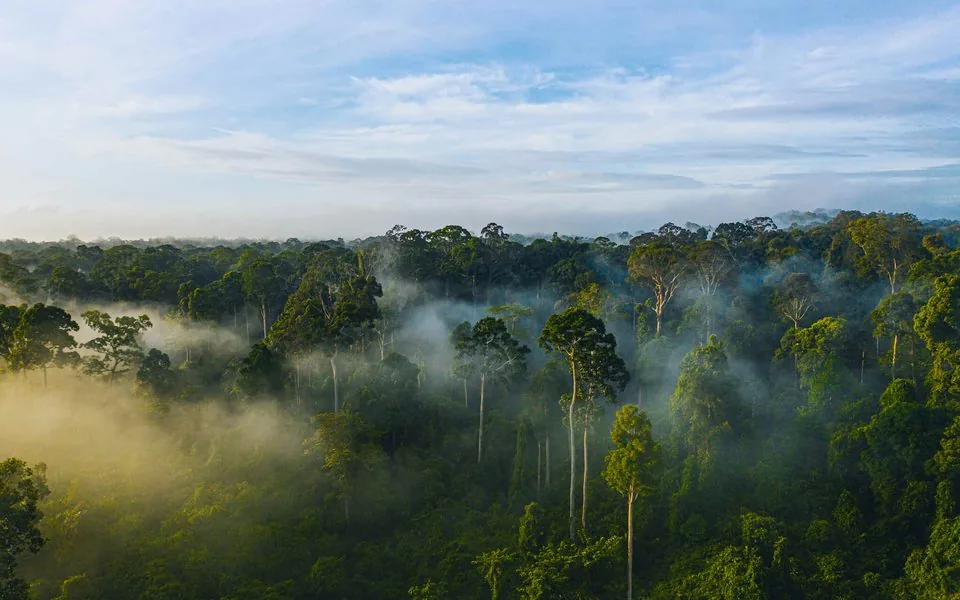
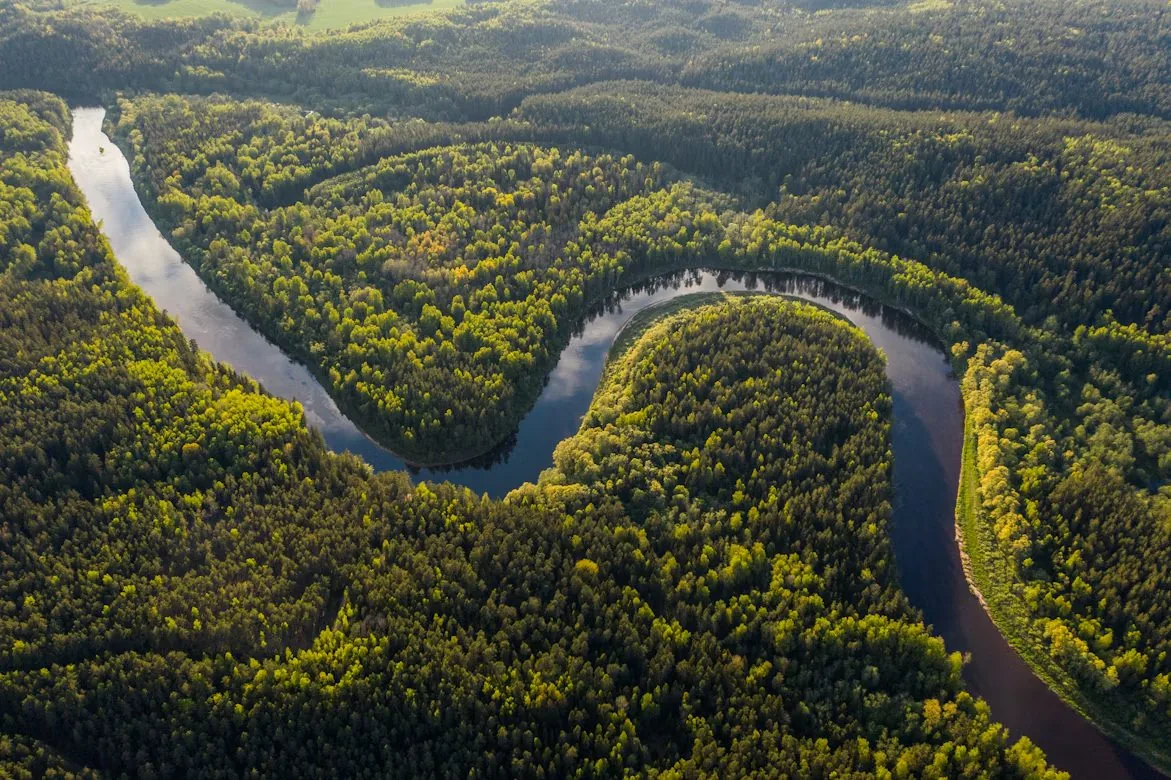
It is also much more varied than the wall of green people tend to picture. There are blackwater rivers, pale sandy waterways, flooded forest, huge river islands, beaches that appear and disappear with the water level, small river communities, major cities and vast stretches where there is very little obvious sign of human life at all.
And the wildlife is just as diverse. Pink river dolphins, sloths, capuchins, howler monkeys, caimans, macaws, toucans, giant water lilies and a frankly ridiculous number of reptiles, insects and fish all live somewhere within this huge system.
The important thing is that you do not necessarily see the wildlife in the same way you would on safari. Much of the time you are moving slowly along smaller waterways, watching the tree line, looking for movement in the canopy and relying on the expedition team to spot something that, to the untrained eye, looks suspiciously like another branch.
That is why the way you travel through the Amazon matters so much.
There are plenty of shorter Amazon cruises, particularly around Peru or from Manaus, but Hapag-Lloyd Expeditions does something very different. Its small expedition ships are able to continue far beyond Manaus and into the upper reaches of the river system, all the way to Iquitos in Peru. In fact, Hapag-Lloyd is currently the only cruise line operating this full journey through the Upper Amazon to Iquitos, which immediately puts it in a different category from the more conventional Amazon cruise itineraries.
HANSEATIC inspiration carries a maximum of 230 guests and operates internationally in English and German. It is small enough to feel genuinely expeditionary, but still large enough to have the comfort and facilities you would want on a journey of this length. The ship has 120 cabins and suites, almost all with either a private balcony or French balcony, and around 175 crew looking after those 230 guests, so it never has that big-ship feel.
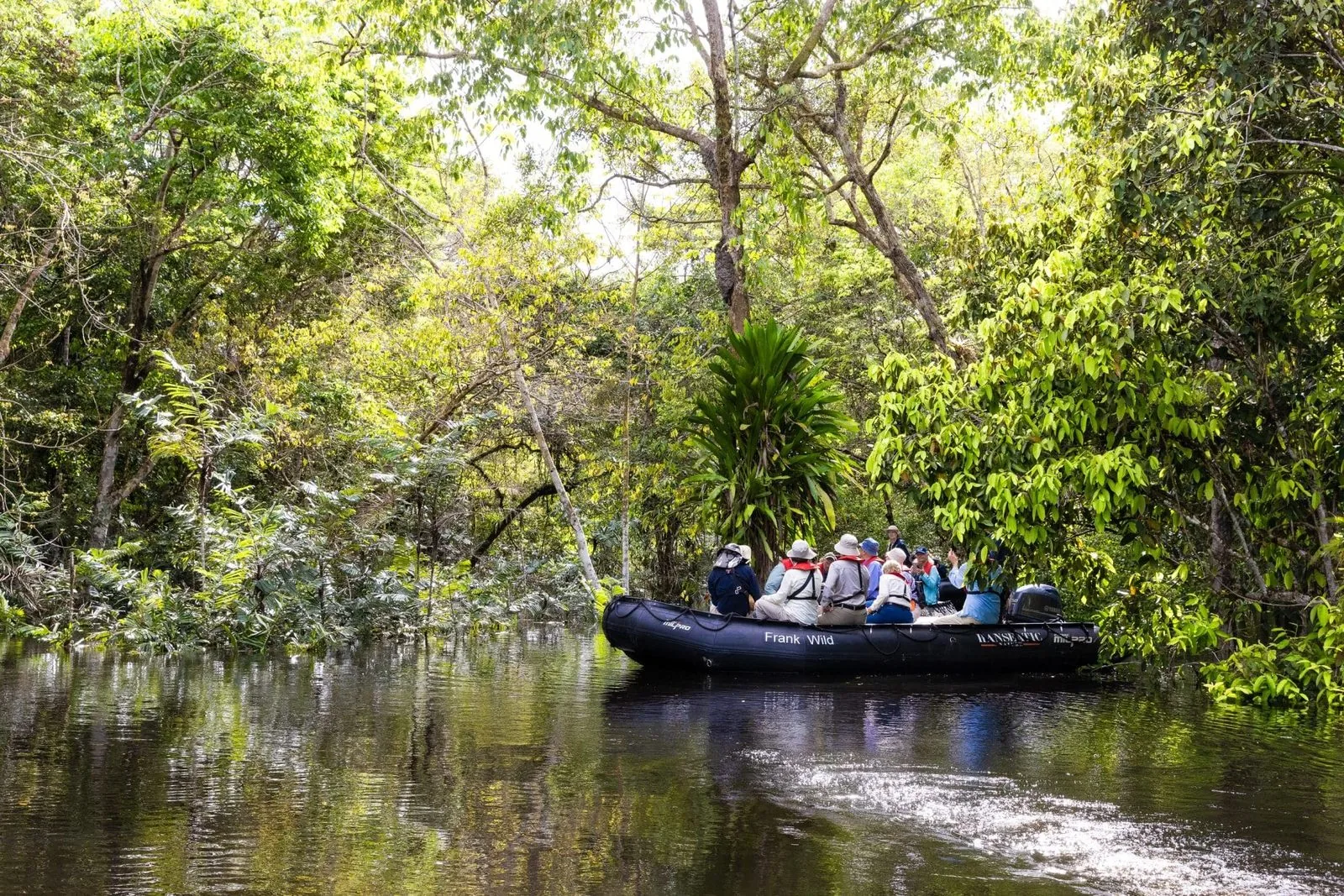
The design is where it really earns its place on an itinerary like this. HANSEATIC inspiration has a shallow draught, excellent manoeuvrability and 16 Zodiacs, which means it can get into places that larger ships simply cannot and then take you even further into tributaries, flooded forest and smaller waterways where there is no normal port or jetty. There are also retractable glass balconies and access right around the bow, so even when you are not out in a Zodiac, you can still properly watch what is happening around the ship.
The expedition team is a big part of the experience too. Hapag-Lloyd brings onboard specialists from different fields, and the lectures and briefings are designed to give context to what you are actually seeing each day. That might mean understanding why two rivers are different colours, why certain animals are found in one section of the Amazon and not another, or what is happening environmentally as you move from the Lower Amazon into the upper reaches. There is also the Ocean Academy, with interactive displays, study areas and a microscope station for anyone who wants to go a little deeper without feeling like they have accidentally enrolled in a university course.
And while the expedition side is serious, you are not roughing it. There are three restaurants, a proper spa, sauna, fitness area and a large pool deck, so after a day in the heat, humidity and Zodiacs, you can come back to something that feels very civilised. That balance matters to us. We want the ship to get you into places that feel remote, but we are equally happy to have a good shower, a decent dinner and a glass of wine afterwards.
Their 18-day journey from Belém to Iquitos is by far the most comprehensive Amazon itinerary we have seen.
You begin near Belém in the Lower Amazon, where the sheer scale of the river is the first thing that hits you. It is broad, busy and immense, with local boats moving between communities and the forest sitting beyond it all. Then, almost without warning, everything starts to tighten. The ship enters the Breves Channels, the waterways become narrower, the rainforest closes in and the whole journey suddenly feels much more intimate.
From here, the journey starts to alternate between huge river landscapes and smaller Zodiac excursions. One day you are looking out from the bow across an enormous stretch of water, the next you are weaving into a side channel with forest on both sides and your expedition guide pointing out pink river dolphins, birdlife or something half-hidden in the canopy that you almost certainly would have missed on your own.
There are stretches where the riverbanks are almost completely taken over by forest, with small communities appearing every so often and water buffalo standing chest-deep in the shallows feeding on aquatic plants. Then you reach Alter do Chão, on the Rio Tapajós, and the whole picture changes. When the water level drops, long stretches of pale sand appear along the river and suddenly you have proper beaches, clear water and people swimming. It is not remotely what most people picture when they think of the Amazon.
And yes, you can swim here. Naturally, the first question tends to be, “What about the piranhas?” They do live in the Amazon basin, but despite what every slightly questionable adventure movie has taught us, they are not generally waiting in formation for tourists to enter the water. Swimming is common around Alter do Chão when local conditions are suitable, and your expedition team will obviously be the ones deciding where it is safe to get in.
The human side of the river changes just as much. Parintins, on the island of Tupinambarana, is one of the livelier stops and a complete contrast to the quieter stretches around it. The town is best known for Bumba-meu-boi, a huge annual festival built around music, dance, costumes and a very serious rivalry between two competing teams. Even outside festival time, that cultural identity is still very much part of the place, and it is a good reminder that the Amazon is not just rainforest and wildlife. There are proper towns, traditions and communities all along the river, each with their own character.
Then, not long afterwards, you can be back in a Zodiac with almost none of that noise around you, moving through grassy waterways and looking for Victoria amazonica, the giant Amazon water lily. Their leaves can grow to around three metres across and look almost unreal when you see them sitting across the surface of the water. Herons, kingfishers and birds of prey move around the wetlands, and the whole pace shifts again. One day is colour and culture, the next is water lilies, birdlife and very little else around you.
One of the most striking moments comes as you approach Manaus and reach the Meeting of Waters, where the dark Rio Negro and the pale, sediment-heavy Rio Solimões run side by side for kilometres before finally mixing. The contrast is incredibly clear from the ship, with one river almost black and the other a much lighter brown, and for a long stretch they simply hold their line next to each other.
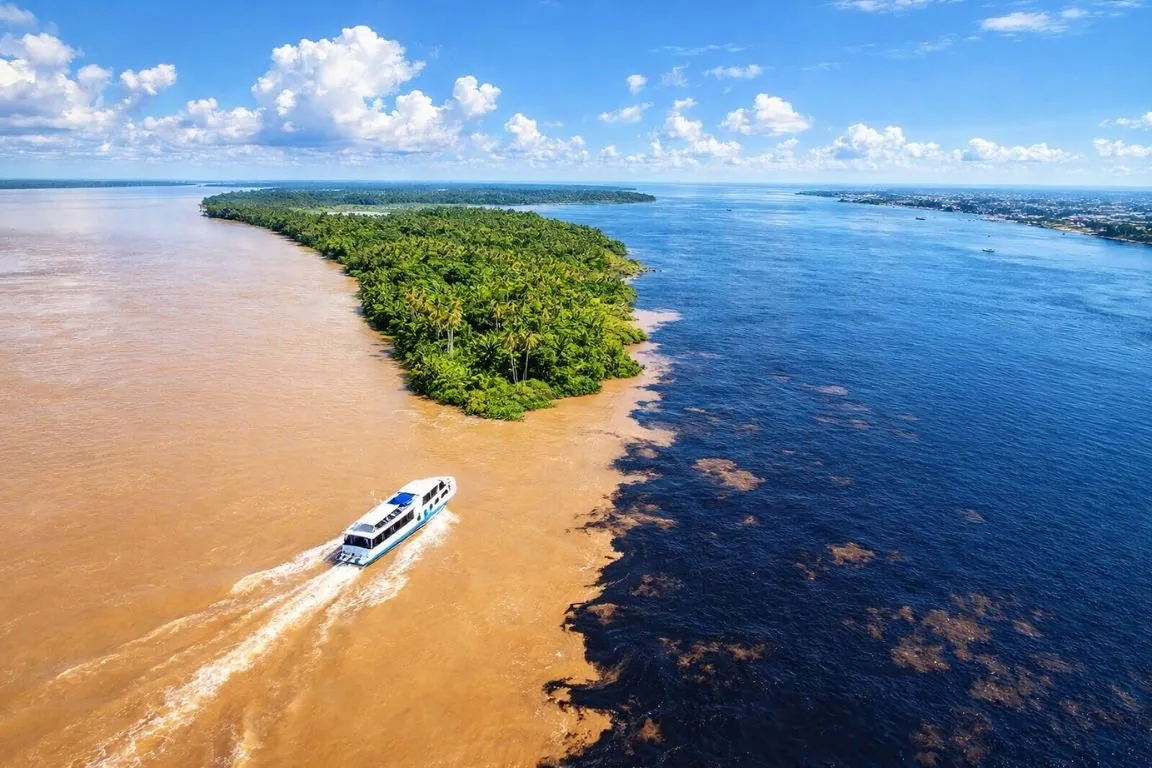
The reason is actually quite simple: the two rivers have different temperatures, speeds and densities, so they do not immediately blend. It is the sort of thing that sounds mildly interesting when somebody explains it in a geography lesson, but looks completely bizarre when you are standing there watching two enormous rivers apparently refusing to cooperate with one another.
By this point you have already seen clear stretches of the Tapajós, darker blackwater channels and broad muddy sections of river, and now two completely different river systems are sitting side by side in front of you. It gives you a much better sense of how complex the Amazon is than looking at a blue line on a map ever could.
A little further on, Manaus suddenly appears out of the rainforest, and it feels slightly improbable that a city of this size is sitting here at all. Its wealth during the rubber boom left behind grand buildings such as the Teatro Amazonas, complete with Carrara marble and Murano chandeliers, and today it gives you a completely different look at life in the Amazon from the smaller settlements you have already passed.
There is time here to explore markets, visit the opera house, head back into the surrounding jungle, look for pink dolphins or even try piranha fishing if things have been feeling a little too peaceful up to that point.
For most Amazon cruises, Manaus is where the journey starts to wind down.
Here, it is more of a halfway point.
Beyond the city, the Amazon starts to feel noticeably more remote. The waterways narrow, the settlements become smaller and the focus shifts away from the main river and into side channels, flooded forest and tributaries of the Upper Amazon.
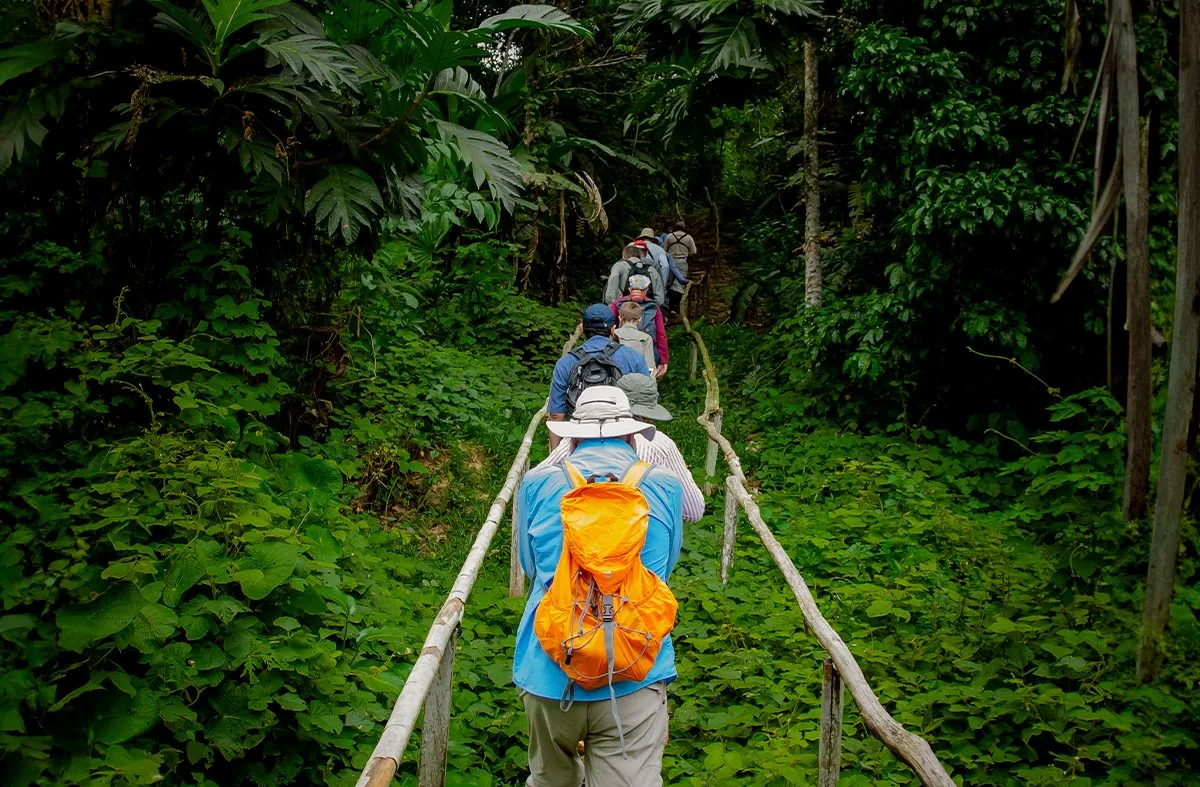
This is where the wildlife viewing becomes much more hands-on. You are spending more time in the Zodiacs, looking for sloths and capuchins in the canopy, heading out after dark for caimans and nocturnal wildlife, and moving through stretches of forest that feel very different from the broad Lower Amazon you started with.
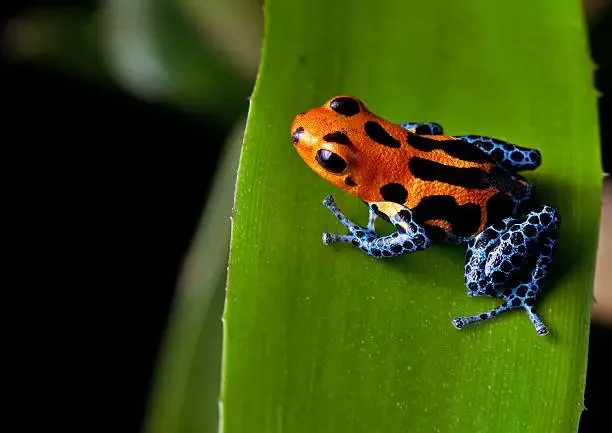
At night, the whole place takes on a different mood. The daytime birds disappear, frogs and insects take over the soundtrack and the focus shifts to creatures you are unlikely to see during the day. Torchlight catches the reflected eyes of caimans on the water, which is fascinating right up until you remember those eyes belong to something sitting very quietly a few metres away.
Further upstream, the Zodiacs move through flooded forest along waterways such as the Rio Jutaí, passing between submerged trees wrapped in vines and epiphytes. The channels narrow, branches hang overhead and tropical birds call from somewhere in the canopy. This is much closer to the version of the Amazon most people picture before they arrive.
You are no longer looking across an enormous river from the deck of the ship. You are right down at water level, moving slowly through smaller channels and watching for monkeys, sloths, birds and reptiles. Half the time the guides have spotted something long before anyone else has, which is humbling when you have apparently been staring at exactly the same tree for the last five minutes.
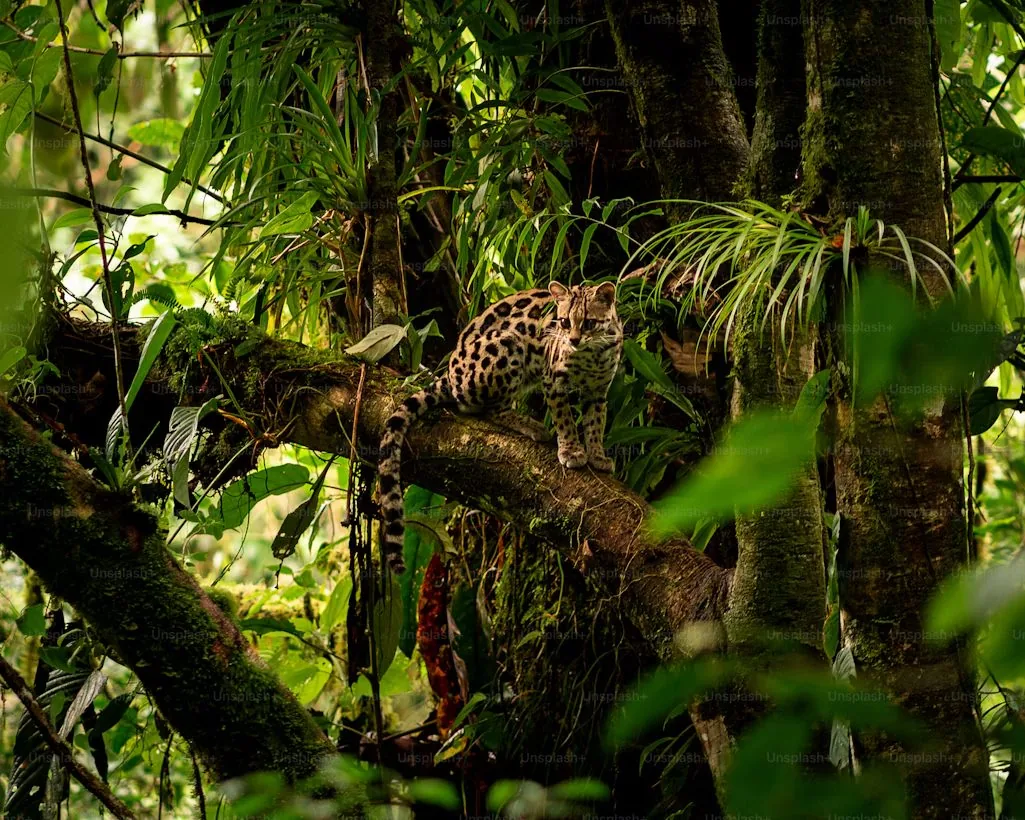
This section of the Upper Amazon feels more enclosed and much less inhabited than the earlier parts of the journey. You are not simply travelling beside the rainforest anymore. You are moving through it.
By the time you reach Leticia, you are seeing another side of Amazon life altogether. This is the tri-border region where Colombia, Brazil and Peru meet, and the borders feel far less obvious than they do on a map. Boats are constantly moving people, produce and supplies between communities on all three sides, and the river is still the main way everything connects.
Leticia itself feels busy after the more remote stretches you have just travelled through. Markets are filled with tropical fruits, vegetables, herbs and spices, much of it arriving by boat from communities further upriver, and there is a very practical rhythm to the place: people shopping, trading, loading boats and getting on with daily life.
It is a good reminder that the Amazon is not just rainforest and wildlife. This is also home to millions of people, and by this point in the journey you start to see the river differently. It is not just something you are travelling along. It is the road, the marketplace and the link between communities spread across three countries.
From Leticia, the journey continues into Peru, and the scale starts to shift again. The settlements are smaller, the pace slows and the landscape becomes more about traditional riverside life than larger towns. Places such as Pevas give you a glimpse of that, with stilt houses along the water and communities built around the rhythms of the river rather than roads.
By now, the huge Lower Amazon around Belém feels a very long way behind you. The broad open water and major cities have gradually given way to smaller settlements, narrower channels and the Upper Amazon.
Eventually, you reach Iquitos, one of the largest cities in the world that cannot be reached by road. Everything arrives by air or by river, which feels like a fairly appropriate place to finish after spending so much of the journey seeing just how important these waterways are.
And that is really the difference with this itinerary.
You are not visiting one pocket of the Amazon and using it as a base to explore a handful of nearby tributaries. You have travelled from the Lower Amazon near the Atlantic, through Manaus and deep into the Upper Amazon, crossing Brazil, Colombia and Peru along the way.
You have seen beaches on the Tapajós, blackwater meeting sediment-heavy rivers, major cities, tiny river communities, flooded forest, pink dolphins, monkeys, caimans and sections of the Amazon that very few cruise itineraries ever reach.
There are certainly shorter ways to see the Amazon, and some of them are very good, but if you want to understand just how enormous and varied this river system actually is, this is in a completely different category.
For us, it is by far the most comprehensive Amazon itinerary we have found.
We’ll pick the right departure
Which sailing suits your dates, which cabin category is worth it on an 18-day voyage, and how to arrive and leave without the logistics taking over.
Questions we’re often asked
Which cruise goes from Belém to Iquitos?
Hapag-Lloyd Expeditions’ 18-day journey aboard HANSEATIC inspiration. Hapag-Lloyd is currently the only cruise line operating the full journey through the Upper Amazon to Iquitos.
How big is HANSEATIC inspiration?
A maximum of 230 guests in 120 cabins and suites, almost all with a balcony or French balcony, around 175 crew and 16 Zodiacs.
Can you swim in the Amazon?
Yes, in places such as Alter do Chão on the Rio Tapajós when local conditions are suitable. The expedition team decides where it is safe.