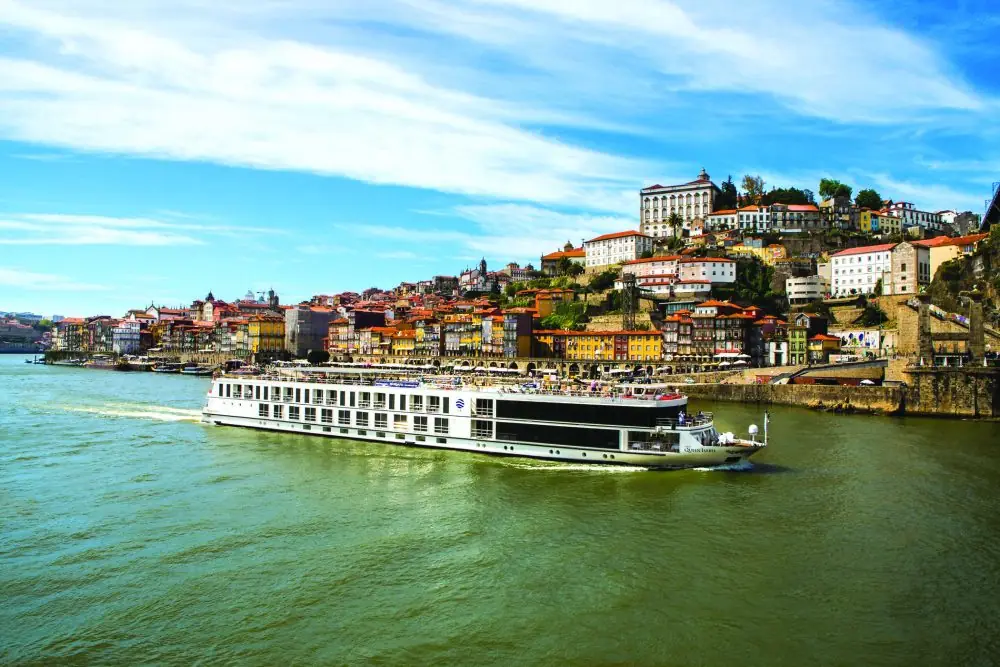
The river weaves through terraced vineyards, historic wine estates and sleepy riverside villages long before tourists ever arrived. Today it's still one of the best ways to experience this remarkable part of the country.
A Uniworld cruise gives you a completely different perspective. Many of the valley's vineyards, villages and wine estates were built to face the water long before roads connected them. Travelling by ship feels less like taking the scenic route and more like following the region's original highway, winding through landscapes that have barely changed for generations.
An unforgettable introduction
Any itinerary that starts and finishes in Porto is already off to a good start, and this eight-day round trip gives you time to enjoy the city before heading into wine country. Colourful buildings spill down towards the river, vintage trams rattle through narrow streets and Portugal's famous blue-and-white azulejo tiles appear on almost every corner.
The waterfront buzzes from morning until late, locals gather over long lunches that somehow roll into dinner, and every second doorway seems to hide another little wine bar or bakery. You'll eat too many pastéis de nata, you'll justify a second glass of port because “when in Portugal”, and you'll convince yourself you've earned both after tackling Porto's endless hills.
Portugal doesn't tend to show off. It quietly puts incredible food and wine in front of you and lets them do the talking.
The Douro Valley
Working vineyards, not a tourist set
Leaving Porto, the landscape changes surprisingly quickly. The city gives way to steep valley walls, vineyard terraces begin climbing impossibly high into the hillsides, and small villages appear above the river as though they've been there forever. Before long you'll understand why this stretch has been recognised as a UNESCO World Heritage landscape.
Life on the Douro doesn't revolve around tourism, and that's part of its appeal. The wine estates, or quintas, are still working properties, many run by the same families for generations. You see the dry stone terraces, hear about the generations of knowledge behind every harvest, and quickly realise every beautiful glass of port comes with a fairly alarming amount of hard labour behind it.
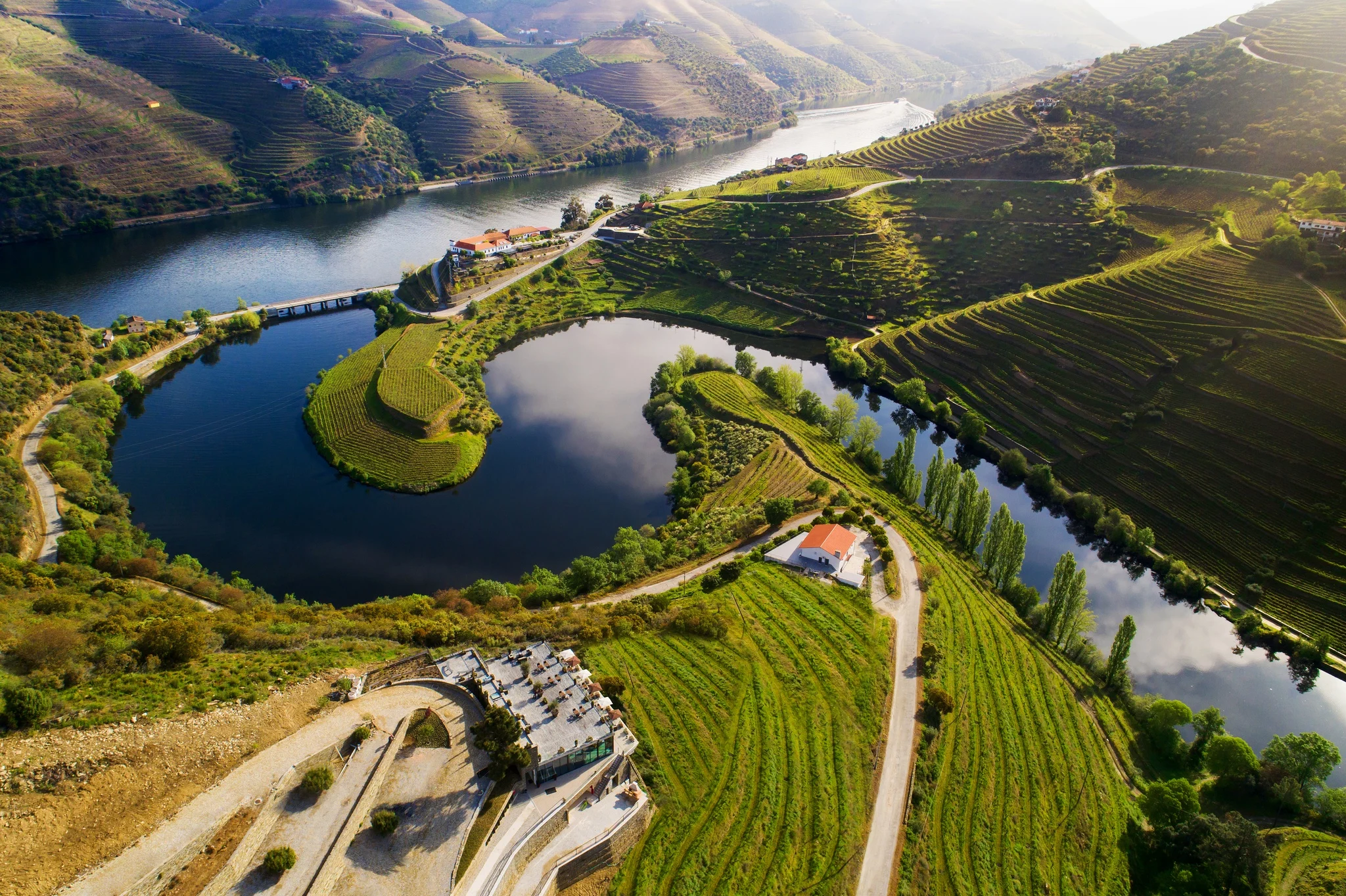
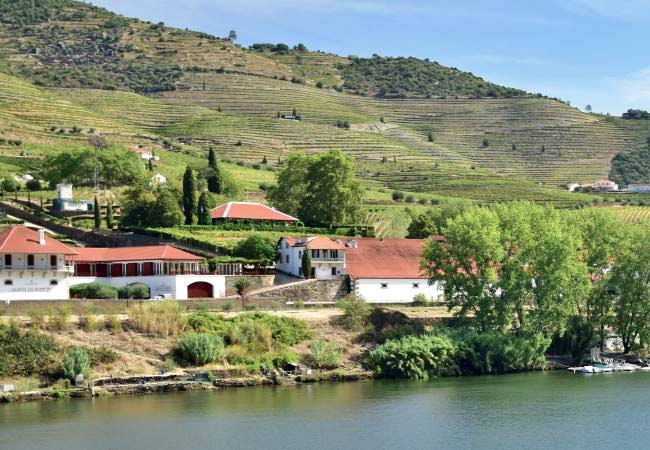
And yes, there is port. Obviously. But the region isn't just about sweet fortified wine at the end of dinner. There are elegant reds, crisp whites, excellent olive oil, almonds and hearty regional dishes that manage to be both wonderfully simple and ridiculously good.
Some of the best memories come from places you hadn't even heard of before arriving. Régua, Pocinho and Barca d'Alva don't have queues of tourists or long lists of must-see attractions. Instead they offer something much harder to manufacture: authenticity. You'll wander quiet streets, stop for a coffee where everyone else seems to know each other, and glimpse the Douro that exists long after the river ships have sailed on.
A full day across the border
You'll also cross into neighbouring Spain for a full day in Salamanca. Home to one of the oldest universities in Europe, the city's golden sandstone buildings have a warm glow that makes the entire historic centre feel like a film set. Plaza Mayor is the obvious showstopper, but Salamanca is just as much about the smaller details: carved stone façades, centuries-old lecture halls and lively tapas bars.
After days spent among vineyards, river bends and quiet wine towns, it brings a welcome change of pace. It's not a random “pop into Spain because we're nearby” add-on; it helps explain the character of this border region where Portugal and Spain have been trading and influencing each other for centuries.
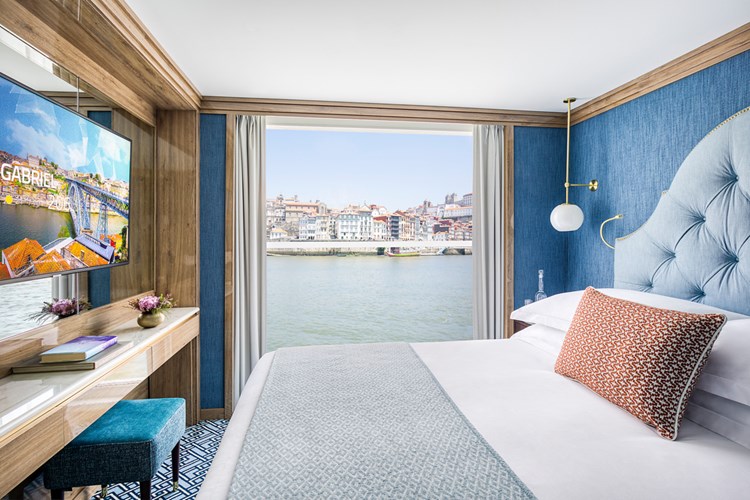
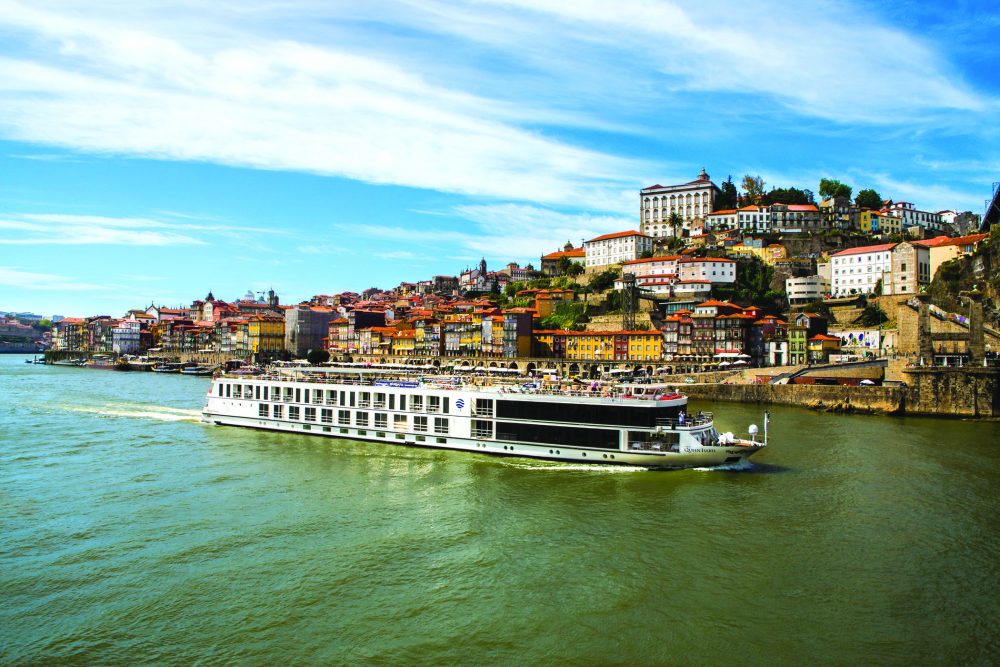
With just 98 guests on board, the S.S. São Gabriel feels intimate from the moment you step aboard. Within a day or two the crew know everyone's name and your favourite drink rarely needs ordering twice. Dining celebrates the flavours of northern Portugal, and the premium beverages are equally well considered, with excellent Portuguese wines, local ports and cocktails all included.
Rather than a one-size-fits-all approach, every space has been designed specifically for the Douro. Rich timber finishes, handcrafted furnishings and the country's iconic azulejo tiles feature throughout, while warm yellows, terracottas and deep blues reflect the landscapes beyond the windows. The Sun Deck has a habit of drawing everyone back: you head upstairs for “just a quick look” and an hour disappears as another vineyard-covered hillside drifts into view.
The funny thing about the Douro is that it's rarely one big moment you'll remember most. It's another vineyard around the bend, a long lunch that turns into the afternoon, a family-run quinta or an hour on the Sun Deck convincing yourself you'll head back down after just one more view.
Excursions, wines and gratuities included
This is the kind of journey where the details matter, and we handle them. We'll match the cabin, the departure and the pace to the way you like to travel, so once you're aboard the only real decision left is whether to order another glass of Douro red.