There's something wonderfully nostalgic about unpacking once, settling into your cabin and watching an entire country unfold outside your window. No airports. No hotel check-ins. No wondering if your suitcase will make the connection.
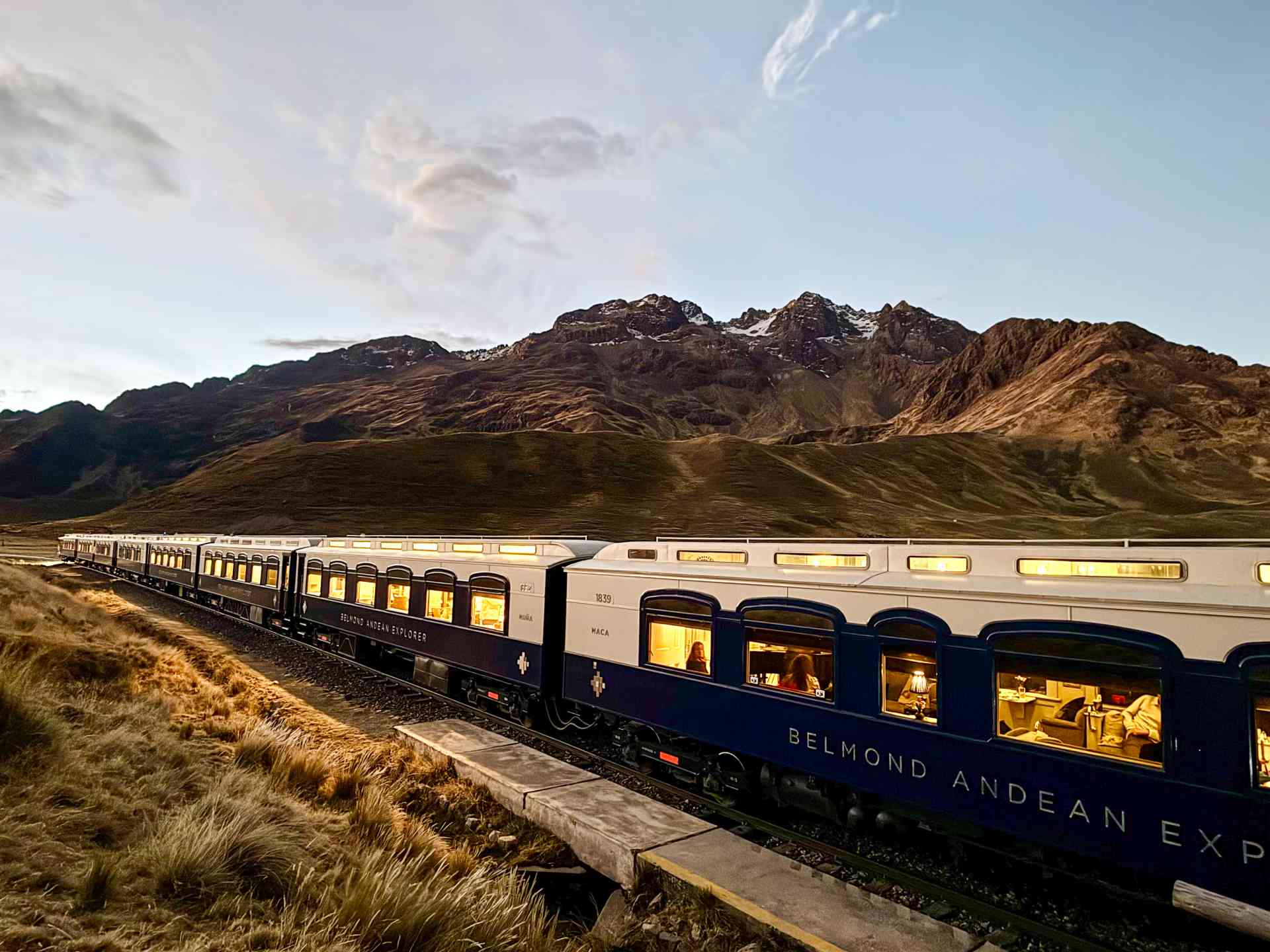
Travelling between Arequipa and Cusco over two unforgettable nights, the Andean Explorer transforms what could have been a simple transfer into one of the highlights of a trip through Peru. By the time you arrive in Cusco, you'll have crossed one of the world's highest railway routes, visited ancient cave paintings, explored Inca ruins and spent time on Lake Titicaca. That's a pretty good way to travel between two cities.
More boutique hotel than train
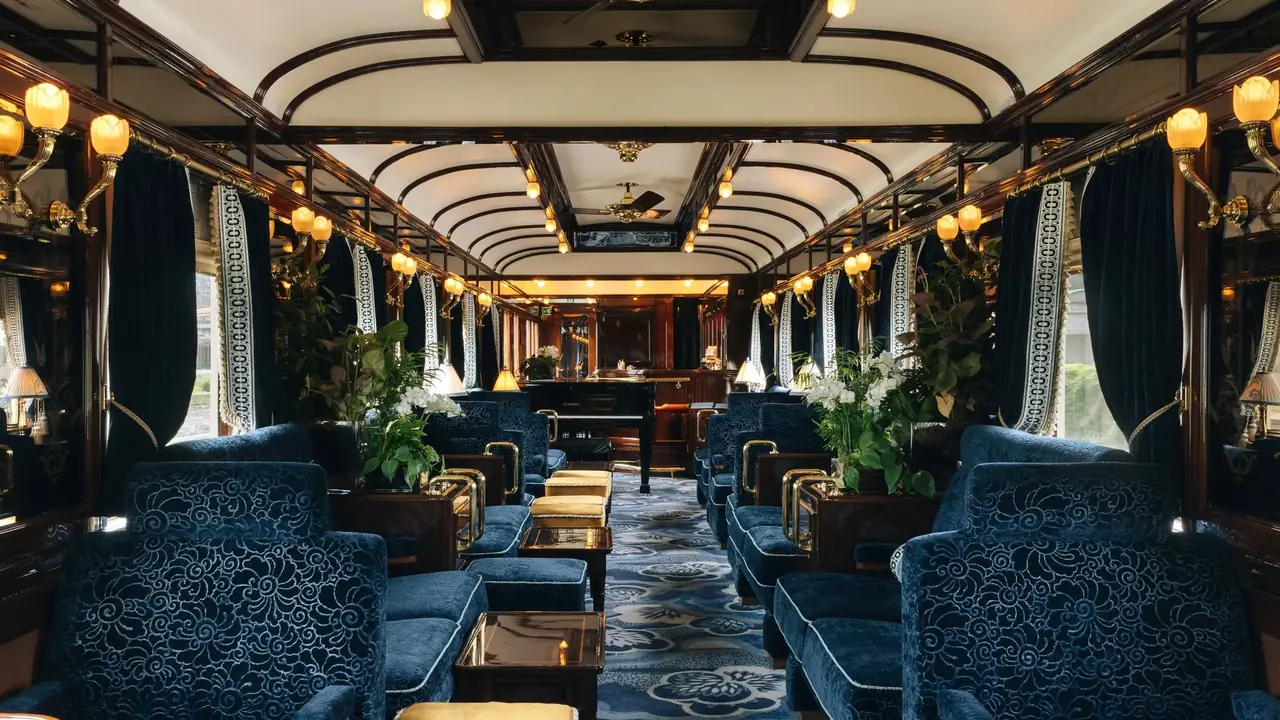
With just 35 cabins and a maximum of 70 guests, there's no scrambling for seats, no queues and certainly no feeling like you're one of hundreds of passengers. Before long you'll recognise familiar faces over breakfast, chat with fellow travellers in the Piano Bar before dinner, or find yourself lingering in the open-air observation carriage with a pisco sour in hand as the Andes quietly roll past outside. It's surprisingly social without ever feeling crowded.
Instead of designing a luxury train and then deciding where it should go, Belmond built the route around places that deserve to be experienced.
Arequipa to Cusco
The stops that make the journey
The journey begins in Arequipa, and if you're not already planning a couple of nights here, I'd seriously consider it. Known as Peru's 'White City', it's full of beautiful colonial architecture, fantastic restaurants and sits beneath three towering volcanoes that somehow make the whole place feel even more dramatic. Cusco might steal the spotlight, but Arequipa quietly wins people over with its laid-back charm and stunning setting.
From here the train leaves the city behind and begins climbing into the Andes. The landscapes become bigger, wilder and more remote: snow-capped volcanoes give way to sweeping plains, alpacas and vicuñas graze alongside the tracks, and tiny villages appear almost untouched by time.
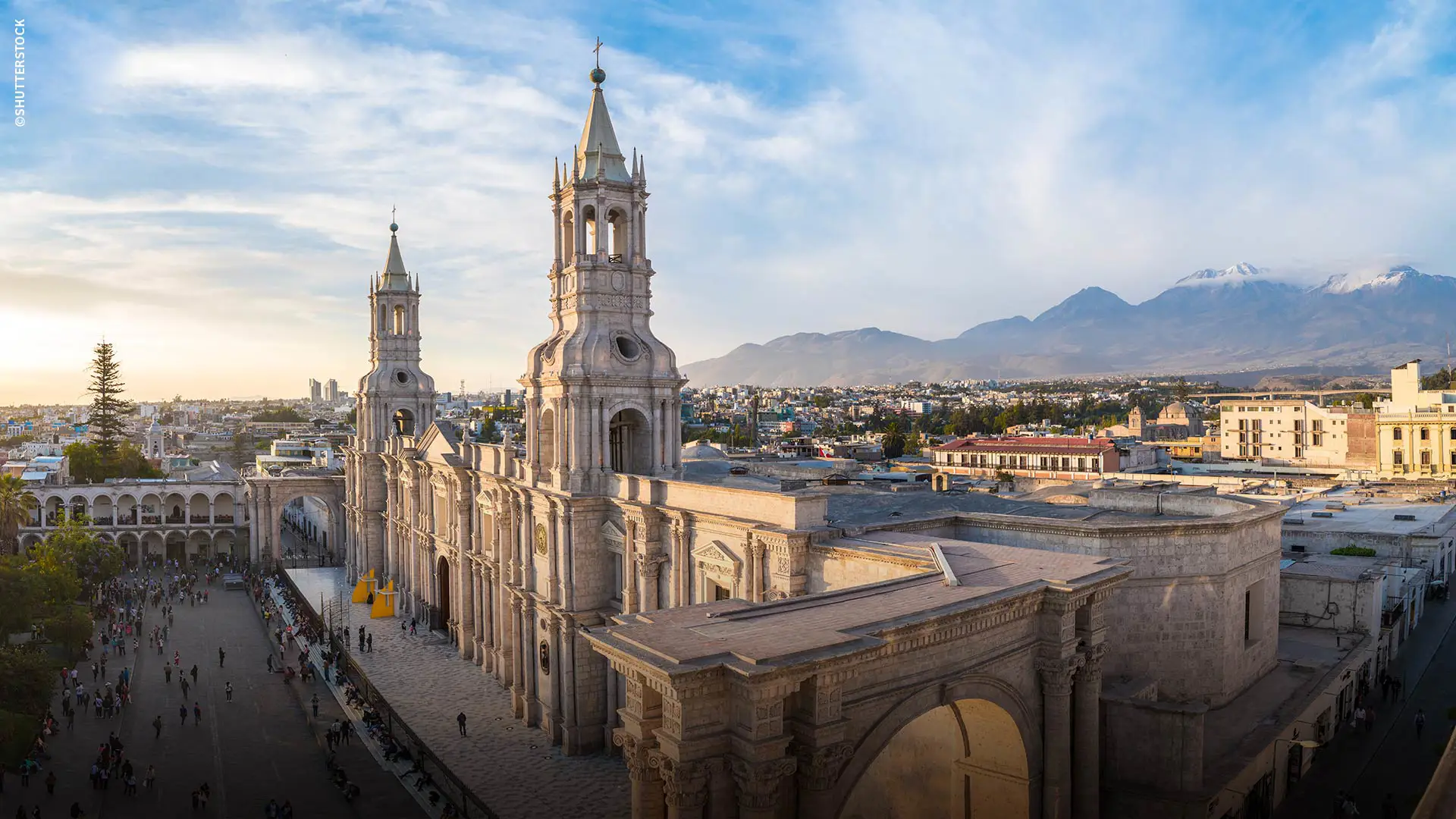
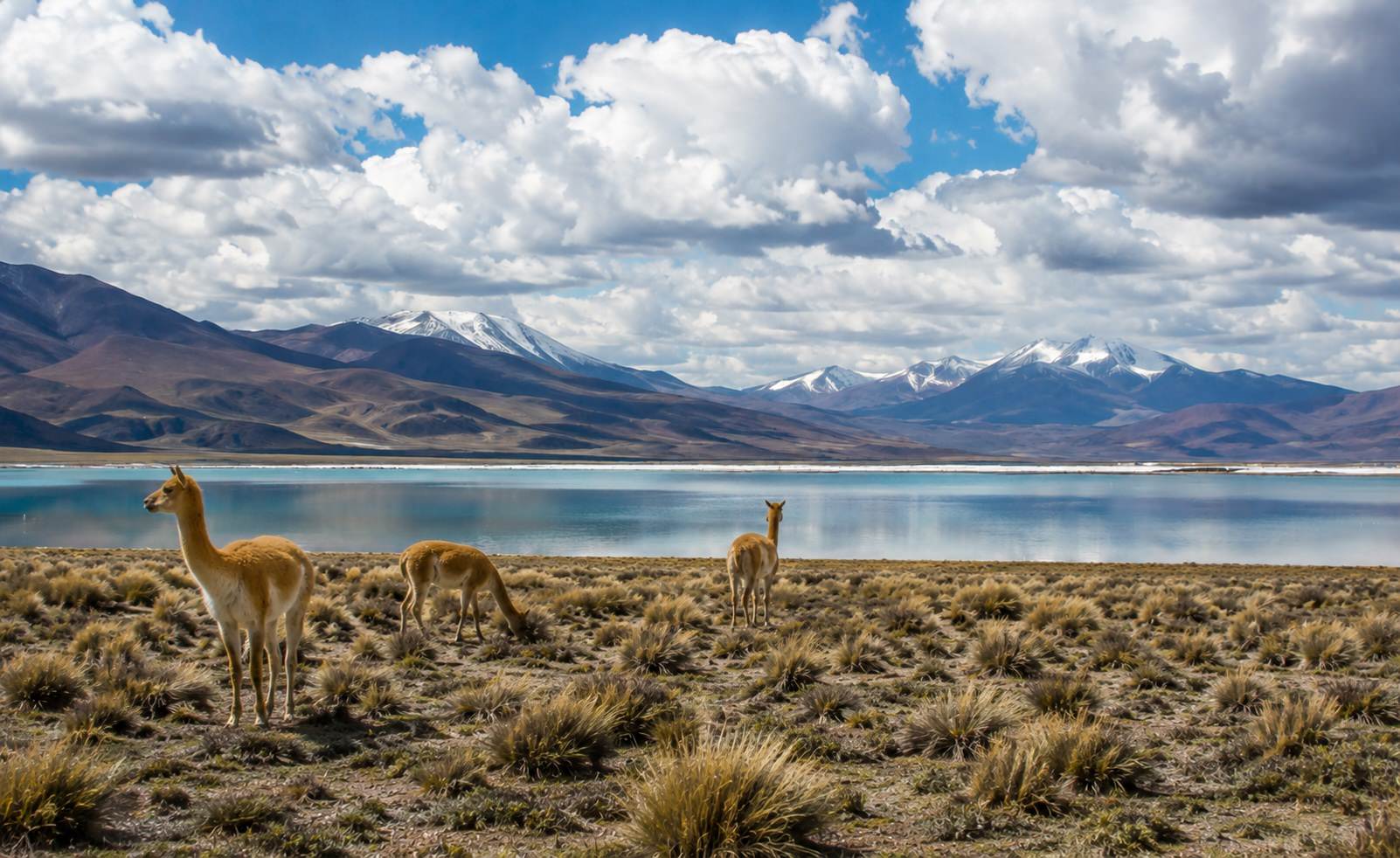
One stop takes you to Sumbay Cave, home to remarkably well-preserved rock art believed to date back between 6,000 and 8,000 years. The paintings depict hunting scenes, wild camelids and daily life, offering a rare insight into the people who called this rugged landscape home thousands of years before the Inca Empire even existed.
Another visit includes the remarkable Inca site of Raqch'i, home to the enormous Temple of Wiracocha and one of the empire's most important ceremonial sites. These are the stops that really elevate the journey. Many are difficult to reach independently or are simply overlooked, yet together they paint a far richer picture of southern Peru than the headline attractions alone.
One stretch that doesn't get nearly enough attention is the Altiplano. Sitting more than 4,000 metres above sea level, it's one of the most remote regions in Peru, yet many visitors fly straight over it. The train climbs all the way to La Raya Pass at 4,319 metres, making it one of the highest railway journeys in the world.
One of Peru’s oldest living cultures
As the train continues north to Lake Titicaca, you'll arrive at one of South America's most fascinating destinations. The included excursion takes you onto the lake to visit the remarkable Uros Islands, where communities have lived on hand-built floating islands for generations.
Every island is constructed from layers of totora reeds, constantly replenished as the lower layers naturally decompose, and many families still rely on traditional fishing, reed harvesting and handcrafted boats as part of daily life. It's a reminder that Peru's history extends far beyond the Inca civilisation.
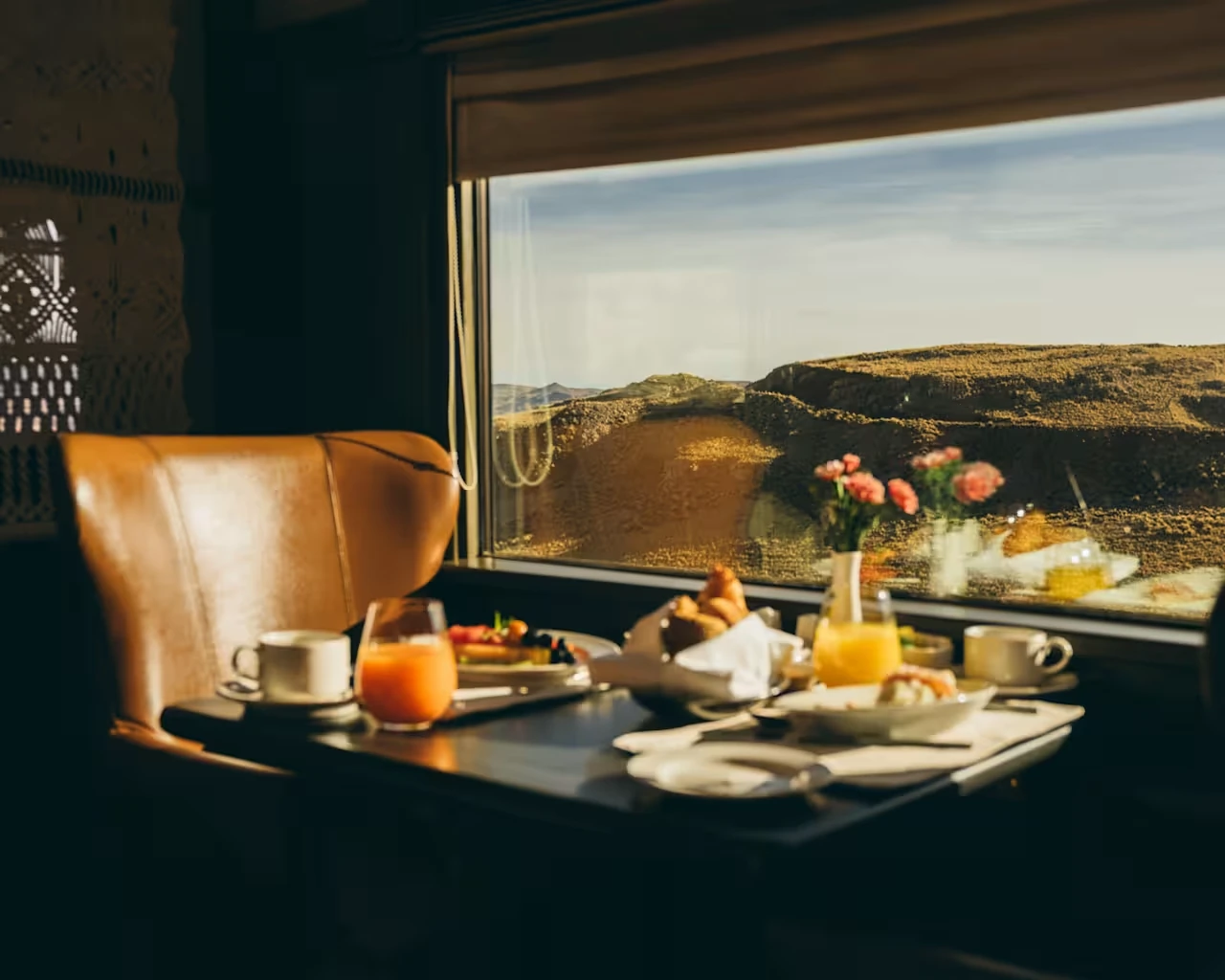
Back on board, Belmond reminds you exactly why its name carries so much weight in luxury travel. The interiors take their inspiration from traditional Andean textiles and the earthy colours of the surrounding landscape, giving the train a real sense of place rather than feeling like it could be anywhere in the world. The cabins are beautifully considered, the dining showcases Peru's incredible produce, and the service manages to be polished without ever feeling overly formal.
The observation carriage is where everyone naturally gravitates between excursions, whether warming up with a coffee on a crisp Andean morning or ending the day with a pisco sour as the sun disappears behind the mountains. That relaxed atmosphere isn't accidental. Rather than treating the train as simply transport, Belmond has created an itinerary where life on board is just as considered as the destinations beyond the window.
Bellini benefits, and a US$100 onboard credit
Because we're part of Belmond's Bellini programme, we're one of a select group of agencies able to offer a few extra perks. When Bellini benefits are available, guests receive a US$100 onboard credit per person for drinks or spa treatments, plus a welcome amenity waiting in your cabin.