There are certain landscapes that become so famous they almost lose their sense of scale, and the Grand Canyon is one of them. You've seen it on postcards, in films and across social media for years, so by the time you finally stand on its rim it already feels strangely familiar.
The same is true of Monument Valley, Antelope Canyon, Horseshoe Bend and Zion National Park. Together they've become the defining images of the American Southwest, drawing millions of visitors every year who travel from one landmark to the next, camera in hand, before continuing down the road.
The famous sights, however, are only a small part of what makes this region so remarkable.
A region far bigger than its landmarks
Stretching across southern Utah and northern Arizona is a landscape sculpted over hundreds of millions of years into sandstone mesas, winding slot canyons, dry washes and vast expanses of open desert. Some roads seem to disappear towards the horizon without another vehicle in sight, yet every few kilometres the scenery changes again. The scale is difficult to appreciate until you're in the middle of it.
The real luxury isn't how much you can see, but that there's no pressure to rush through it.
At Amangiri, southern Utah
Built to disappear into the desert
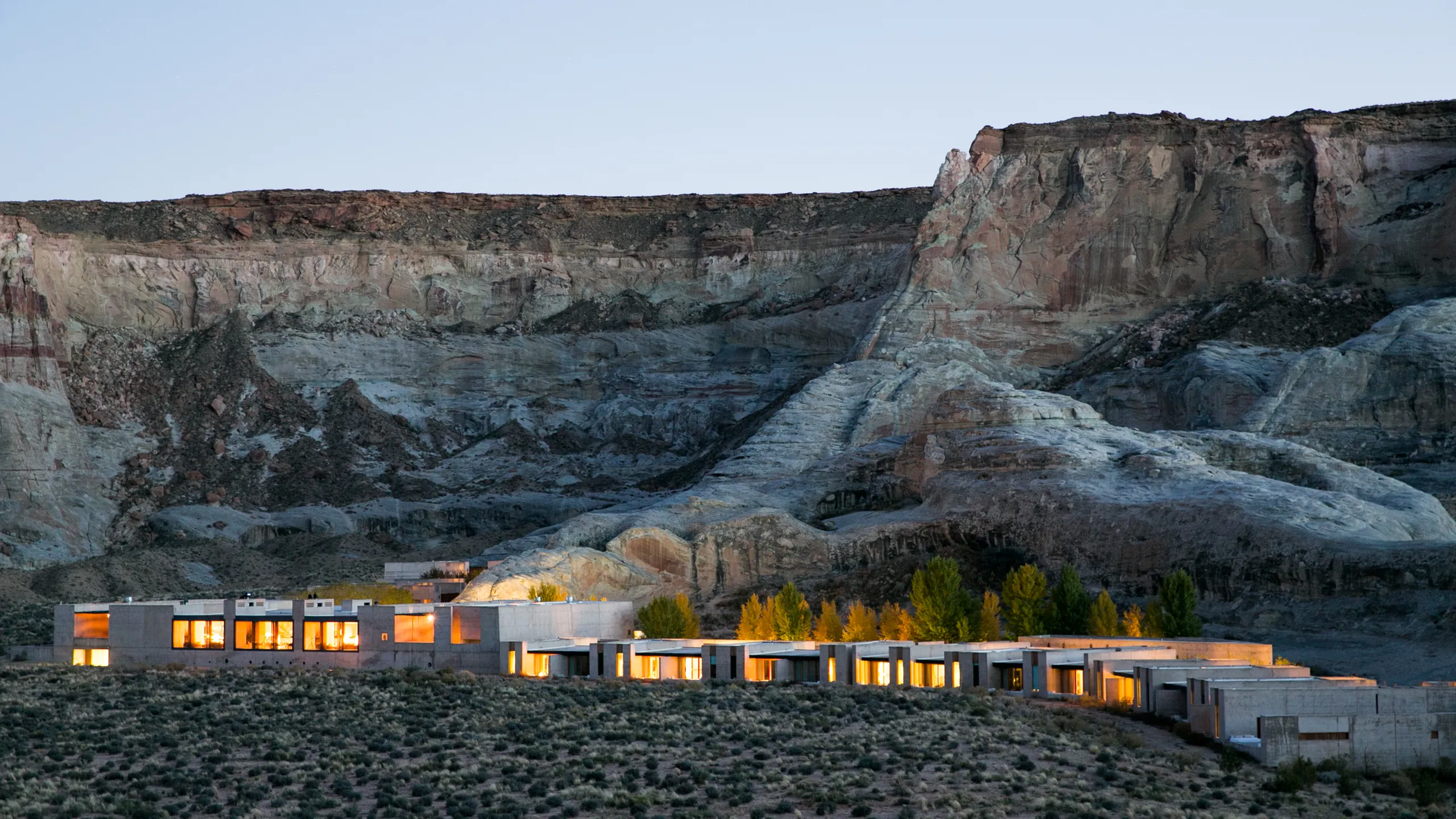
Building here was always going to require a certain amount of restraint. Rather than competing with its surroundings, Amangiri was designed to become part of it. Pale concrete walls take on the colours of the surrounding sandstone, expansive glass keeps the views firmly in focus, and the iconic swimming pool curves around an estimated 165-million-year-old sandstone monolith.
With just 34 suites spread across 900 acres of rugged wilderness, there's a remarkable sense of space, and the architecture never dominates its setting. Instead, buildings follow the natural contours of the land, while courtyards, walkways and floor-to-ceiling windows quietly frame the desert beyond.
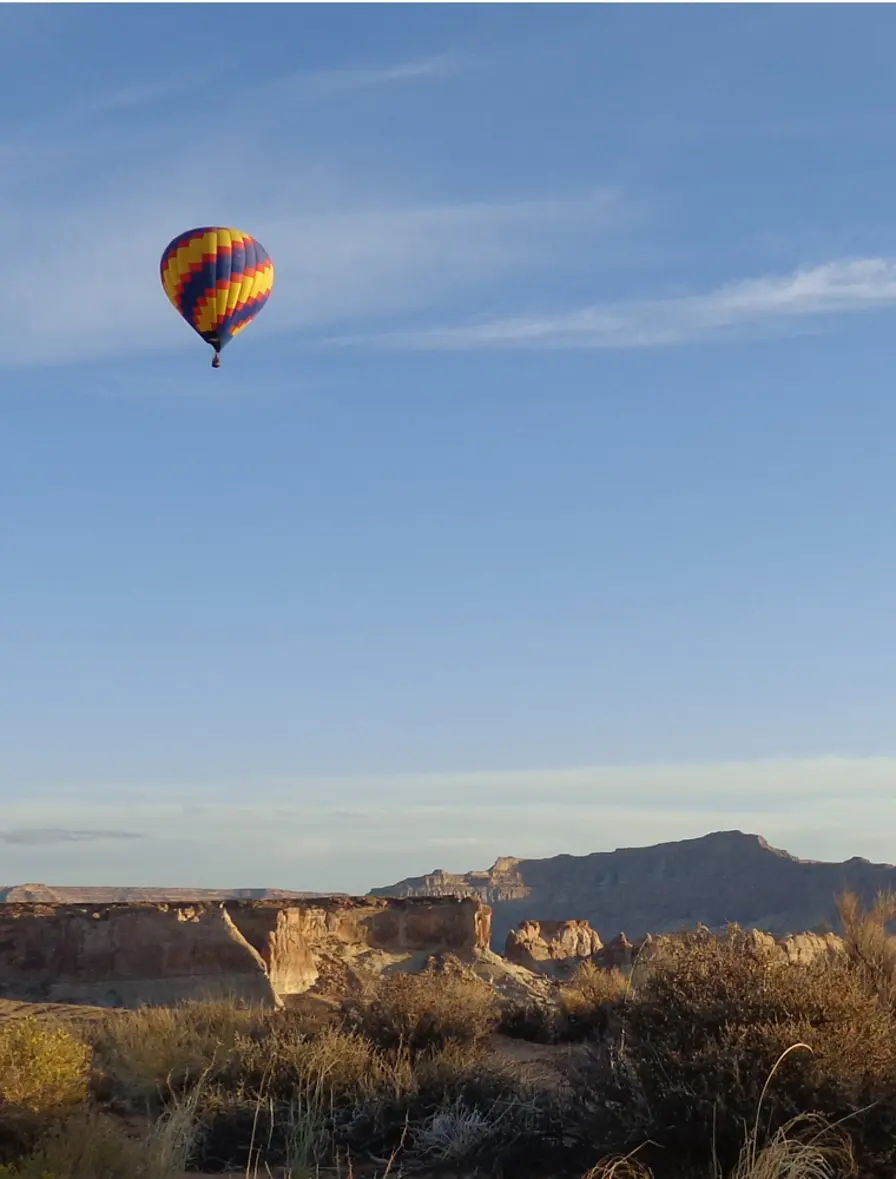
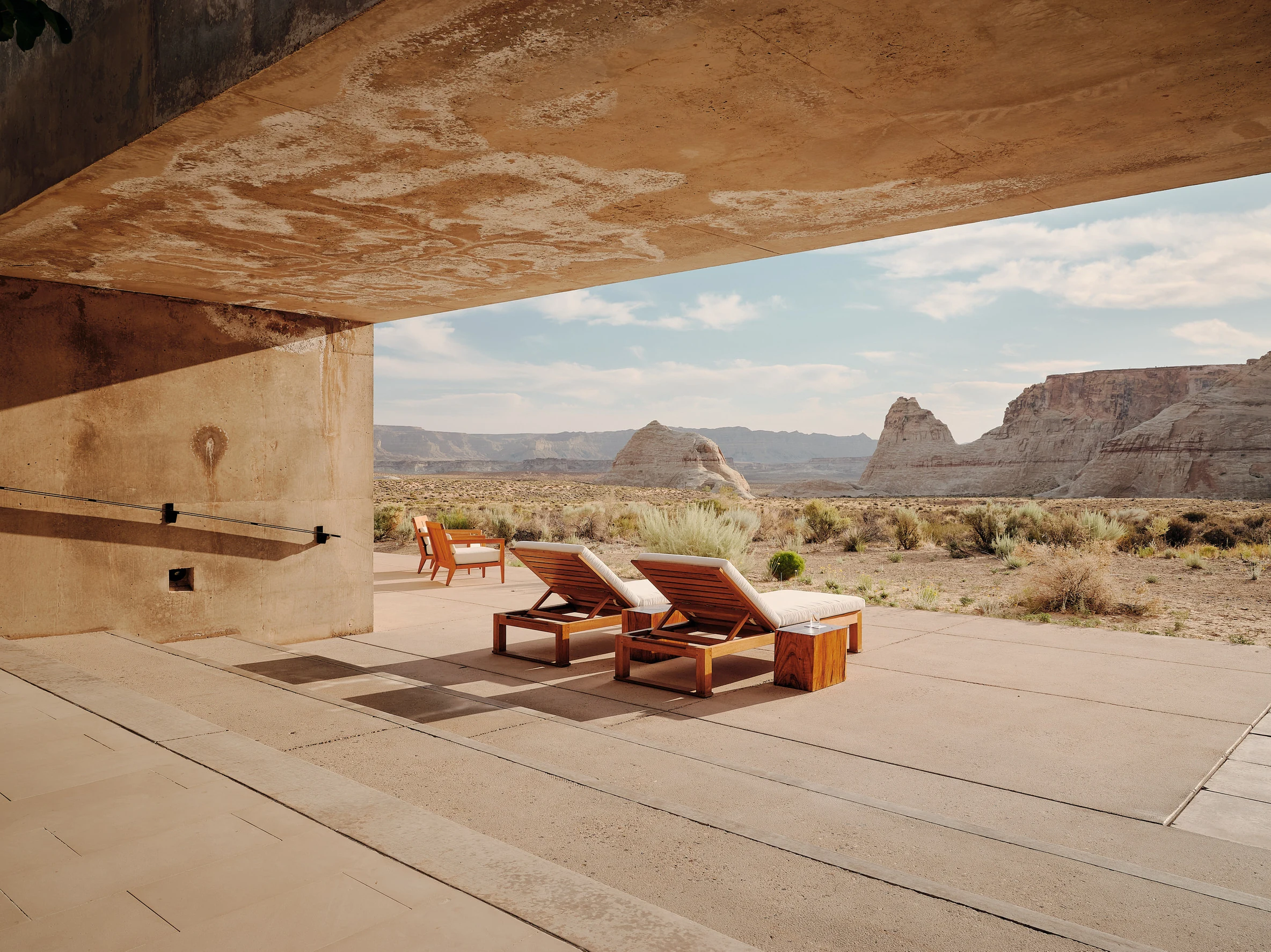
That connection to the landscape shapes almost everything you do during your stay. Days here can be as adventurous or as slow as you want them to be, and neither feels like the wrong choice. You might spend the morning hiking through hidden canyons, scaling sandstone cliffs on the resort's via ferrata or exploring the desert on horseback, before taking to the skies on a helicopter flight that reveals the vast maze of canyons stretching towards Lake Powell.
Then, just as easily, the pace slows. An afternoon by the pool, a treatment in the spa or a long lunch on the terrace never feels disconnected from your surroundings.
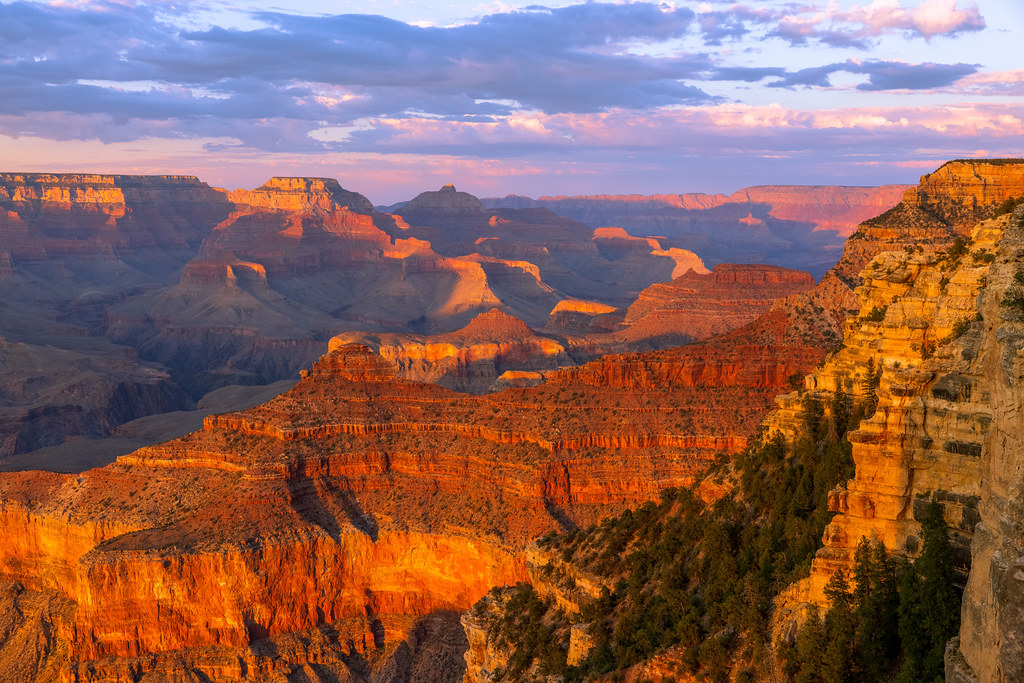
One of Amangiri's greatest strengths is its location. The Grand Canyon is close enough for a full-day excursion, making it easy to experience one of the world's greatest natural wonders without constantly changing hotels. Standing on its rim, looking out across nearly two billion years of geological history, is one of those travel moments that genuinely lives up to the anticipation.
Yet it's the drive back through the empty desert, and the quiet that awaits at Amangiri, that often lingers just as long.
The landscape becomes the memory
Perhaps that's what makes this corner of America feel different to so many other bucket-list destinations. The famous landmarks are every bit as spectacular as you'd hoped, but it's often the empty highways, changing light and unexpected corners of the desert that stay with you longest.
Amangiri captures that feeling better than almost anywhere else. Rather than drawing your attention inwards, it constantly encourages you to look back out across the mesas. Before long, it's the landscape that becomes the lasting memory.
The suite, the timing and the excursions all matter here
With only 34 suites, availability moves quickly and the right room makes a real difference to the view you wake up to. We'll match the suite, the season and the excursions to the way you like to travel, and handle the details so the desert is the only thing you need to think about.